Dance battles have emerged as a dynamic arena where creativity, skill, and passion converge, captivating audiences across the globe. Tracing their origins to humble beginnings, the history of dance battles unveils a rich tapestry of cultural significance and artistic expression, culminating in the electrifying competitions witnessed today. This article delves into the origins and evolution of competitive dance, examining the various types of battles, including street, crew, and solo formats, as well as the requirements for participation and the impact these contests have on the dance community. Whether one is a seasoned performer or a curious newcomer, this exploration offers valuable insights for anyone who appreciates the art of movement and competition.
History of Dance Battles
The history of dance battles can be traced back to the dynamic streets where urban dance cultures thrived, showcasing the talent and creativity of dancers from various backgrounds.
These competitive displays, fueled by a passion for rhythm and movement, have evolved over time into more structured events that emphasize the artistry and skill of the performers.
From the early days of breakdancing to contemporary hip-hop dance battles, this journey reflects a rich tapestry of influences, community engagement, and the ongoing rivalry among dancers.
Ultimately, these elements have significantly impacted broader dance culture and established a distinctive place within the realm of performance art.
Origins and Evolution of Competitive Dance
The origins of competitive dance can be traced back to street dance movements that emerged in urban environments, where dancers showcased their skills and creativity during informal gatherings and competitions.
Over time, these spontaneous freestyle battles evolved into structured competitive formats, allowing dancers to not only demonstrate their talents but also convey narratives through intricate choreography. As the culture matured, the choreography associated with street and hip-hop dance began to gain recognition as a legitimate art form. This recognition led to the establishment of prestigious competitions that attracted dancers from around the world.
This evolution initiated a wave of innovation, prompting dancers to blend various styles, embrace collaboration, and expand their artistic boundaries. The significance of dance battles, both as competitive events and platforms for community building, has played a pivotal role in shaping the dance landscape and fostering a sense of camaraderie among performers.
Types of Dance Battles
There are several types of dance battles that exemplify the remarkable diversity and artistry present within the dance community, each presenting distinct formats for competition and expression.
Intense street battles emphasize freestyle and improvisation, while crew battles highlight teamwork and synchronized choreography. These events serve as a platform for dancers to push their boundaries and demonstrate their skills.
Solo battles, on the other hand, focus on individual expression, allowing dancers to showcase their personal styles and storytelling abilities. Collectively, these formats contribute to the dynamic culture of dance competitions and consistently inspire future talent.
Street Battles, Crew Battles, and Solo Battles
Street battles represent spontaneous competitions held in urban environments, where individual dancers engage in freestyle dance styles, competing directly against one another. In contrast, crew battles involve teams demonstrating synchronized choreography and showcasing their collective teamwork.
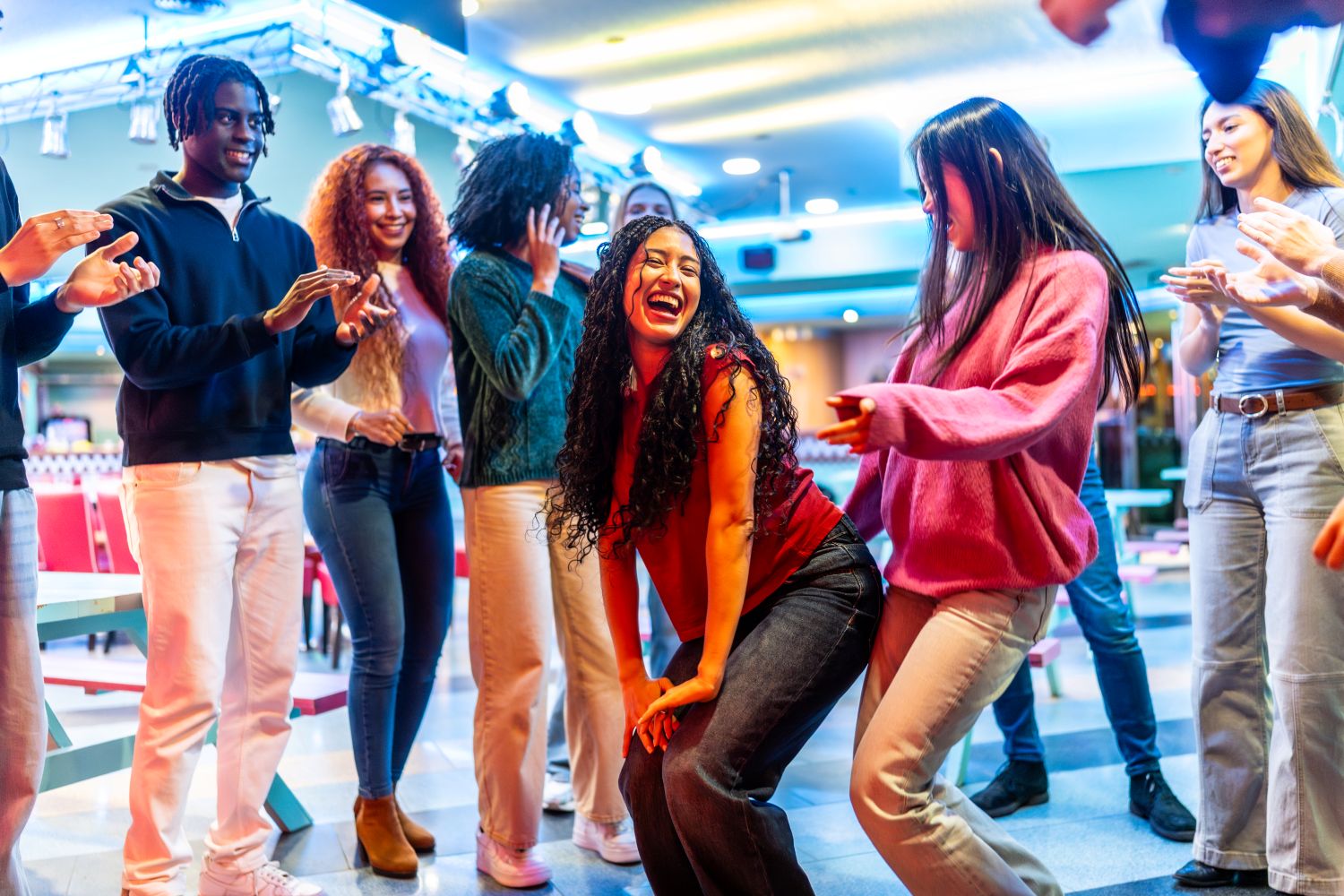
The atmosphere during street battles is often electrifying, with spectators actively engaged and enthusiastically supporting their preferred dancers as they execute creative movements and construct narratives through dynamic footwork and impressive tricks.
The outcome of these battles is significantly influenced by each dancer’s ability to innovate and adapt their style, as judges assess not only technical proficiency but also the overall creativity displayed throughout the performance.
In crew battles, the emphasis shifts to cooperation; teams must demonstrate not only individual skills but also seamless synchronization and inventive formations that enhance their collective performance.
The audience plays an integral role, responding energetically to the choreography, while judges carefully evaluate the groups based on criteria such as originality, teamwork, and the overall effectiveness of their performance in captivating the audience.
What it Takes to Compete in a Dance Battle
Competing in a dance battle necessitates a distinct combination of skills, extensive training, and an appropriate mindset to effectively navigate the high-stakes environment marked by tension and adrenaline.
Dancers must establish a solid foundation in various dance styles, including hip-hop and breakdancing, while simultaneously refining their technical abilities and improvisational skills to respond to the energy of both the crowd and the judges.
Preparation is essential; successful competitors invest numerous hours in rehearsals and workshops, meticulously honing their movements and choreography, devising strategies to differentiate themselves, and nurturing their individual expression and artistry.
Skills, Training, and Mindset
The skills required for success in dance battles encompass a broad range of techniques, including footwork, creativity, and showmanship, all of which must be refined through dedicated training and consistent practice.
Dancers not only concentrate on perfecting their physical abilities but also develop an artistic voice that distinguishes them in a highly competitive arena. Technical proficiency serves as the foundation for executing intricate movements with precision, while artistic expression enables the dancer to convey a narrative and engage with the audience.
Fostering a resilient mindset is of paramount importance; it allows dancers to recover from setbacks and learn from critiques, ultimately cultivating the confidence that is evident during performances.
This combination of skill, creativity, and mental fortitude is essential for anyone aspiring to excel in dance battles and leave a lasting impression.
The Impact of Dance Battles on the Dance Community
Dance battles significantly influence the dance community by acting as a catalyst for cultural exchange, innovation, and the celebration of diverse styles and artistry.
These events provide valuable opportunities for dancers to demonstrate their talent and passion while also fostering connections among participants, audiences, and the broader community.
The competitive aspect of dance battles stimulates creativity and improvisation, resulting in the evolution of choreography and the emergence of new trends within hip-hop culture and beyond.
Cultural Significance and Influence on the Industry
The cultural significance of dance battles transcends the confines of the dance floor, exerting a considerable influence on the dance industry by promoting diversity, collaboration, and artistic expression within the community.
These competitive events function as a melting pot of various styles, uniting artists from diverse backgrounds who showcase their unique movements and narratives. Such interactions contribute to an evolution in choreography, as dancers draw inspiration from one another, blending techniques and infusing their performances with innovative flair.
Dance battles revitalize performance art by establishing a dynamic environment where authenticity is not only valued but also celebrated, encouraging artists to present their true selves to the audience. This communal engagement nurtures connections that resonate deeply, rendering dance battles pivotal in shaping trends within the industry and ensuring their lasting impact on future generations of dancers.